

La p谩gina que intenta visitar s贸lo est谩 disponible en ingl茅s. 隆Disculpa!
The page you are about to visit is currently only available in English. Sorry!

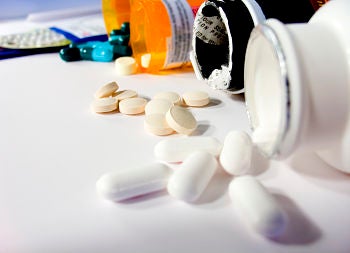
These days, there seems to be a drug for nearly every ailment. While I鈥檓 certainly thankful for antibiotics and antihistamines (not to mention norgestimate/ethinyl estradiol), some studies indicate that the pharmaceutical cocktails found in our waterways may harm people and wildlife. To better understand the risks, scientists are investigating whether the trace amounts found in some drinking water supplies affect people鈥攁 worthwhile endeavor, given the AP that found traces of an array of drugs in the drinking water supplies of 24 major metropolitan areas (click to see a map). And we do know that sex hormones in Colorado鈥檚 Boulder Creek have caused some fish to . Yikes!
To divert more of these substances from wastewater treatment plants and landfills, the EPA has drafted a 鈥攖he Pharmaceutical Universal Waste Rule鈥攖hat would change how pharmacies, hospitals, and veterinarians鈥� and doctors鈥� offices dispose of hazardous pharmaceutical waste.
(Just to clear up what is and isn鈥檛 hazardous in the EPA鈥檚 view: 鈥淧harmaceutical鈥� means any chemical product鈥攙accine or allergenic鈥攏ot containing a radioactive component and that is intended for use in the diagnosis, cure, mitigation, treatment, or prevention of disease or injury or is intended to affect the structure or function of the body in people or animals. Waste pharmaceuticals are hazardous if they exhibit at least one of four characteristics: ignitability, corrosivity, reactivity, and toxicity.)
According to the EPA, the current regulations, called the Resource Conservation and Recovery Act (RCRA) requirements, can be difficult to apply (a hospital, for instance, can have hundreds of different kinds of pharmaceutical waste鈥攋ust think of all the pills, vaccines, etc., and trying to track how they鈥檙e disposed of). Furthermore, workers 鈥渁re often unfamiliar with or confused by RCRA hazardous waste management requirements. In hospitals and other health care facilities, the practice of disposing of pharmaceuticals to sewers has taken place."
The new Pharmaceutical Universal Waste Rule would require pharmacies, hospitals and other 鈥済enerators鈥� to dispose of hazardous drugs as they would any universal waste (products such as batteries and pesticides); these cannot be flushed down a drain or sent to a landfill, and instead must be properly disposed of at regulated waste facilities. Generators would also be encouraged鈥攂ut not required鈥攖o treat non-hazardous drugs the same way.
The new rule isn鈥檛 as strict as the existing regulations. But if it ensures that more people receive training in proper drug disposal and it streamlines the disposal process, as the EPA claims it will, then it seems like it really could help keep meds out of streams, rivers, lakes, and oceans.
Of course, the average Joe can also contaminate water supplies by flushing expired or unneeded drugs down the toilet. If all goes as planned, however, the Universal Waste Rule will help make it easier for people to properly dispose of pills that have been piling up in the medicine cabinet by helping to set up take-back programs. Some communities already have , but it would certainly be a boon to the environment if responsibly getting rid of your superfluous meds were as easy as dropping an old jacket off at the Salvation Army or Good Will.