

La p谩gina que intenta visitar s贸lo est谩 disponible en ingl茅s. 隆Disculpa!
The page you are about to visit is currently only available in English. Sorry!

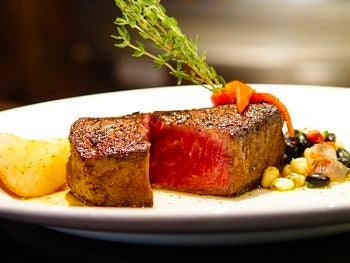
Eating a vegetarian diet is good for the planet, but it may be murder on a political campaign.
Earlier this month, Montana Republican gubernatorial candidate Roy Brown accused Democrats of spreading a false rumor that he鈥檚 a vegetarian. In New Hampshire or New York that might not be a big deal, but the Big Sky State is a big cattle producer鈥攁nd the livestock industry wields a significant amount of influence there. According to the :
鈥淚 am not and have never been a vegetarian,鈥� Brown said. 鈥淚 am disgusted by the baseless allegation that I am a vegetarian and that my personal eating habits should somehow be construed as opposed to the economic interests of Montana鈥檚 livestock industry.鈥�
Brown is running against Democratic Governor Brian Schweitzer. The hullabaloo over Brown鈥檚 eating habits started with an email his neighbor, Pat Etchart, sent to Montana Democratic Party Chairman (and cattle rancher) Dennis McDonald. In the message, Etchart said that when Brown moved in nextdoor, he told him he and his wife were vegetarians.
鈥淎t the time, I thought nothing of it, but as Roy now makes the rounds and campaigns for governor, I have a concern. Would it not be a problem, in a state where cattle ranching is such a vital industry, to have a governor who does not eat meat?,鈥� Etchart wrote.
Given that the latest poll shows Schweitzer has a (and that comments posted by readers beneath the Helena Independent Record article indicate that they couldn鈥檛 care less about whether the candidate eats meat), Brown鈥檚 beef consumption likely won鈥檛 have much, if any, impact on the outcome of the election.
Still, the article got me thinking about attitudes toward meat. Brown鈥檚 vehement denials might lead you to believe that 鈥渧egetarian鈥� is the equivalent of 鈥渦n-American.鈥� But in Montana, nationwide, and abroad, there鈥檚 a growing awareness of the negative impacts livestock production has on the environment鈥攁nd how climate change might agricultural operations. According to a 2006 United Nations , 鈥淐attle-rearing generates more global warming greenhouse gases, as measured in CO2 equivalent, than transportation.鈥�
Some ranchers are taking steps to reduce their environmental footprint by converting methane (a greenhouse gas) from cow , for example, or improving animal diets to lessen the amount of the methane livestock produce.
If you鈥檙e a meat lover, you don鈥檛 have to become a (gasp!) vegetarian to make a difference鈥攋ust cut back on steaks and burgers. One found that, on average, red meat production is about 150% more greenhouse gas-intensive than chicken or fish production. Shifting about one day鈥檚 worth of calories per week from red meat and dairy products to poultry, fish, eggs, or veggies would reduce the average American household鈥檚 greenhouse gas contribution, making it equal to buying all locally sourced food (for a non-dairy, veg diet), the scientists say.